What can you actually do with vacant land?
You own a piece of ground. Now what.
Nobody really explains this part. The listing shows you the acreage and some coordinates and maybe a photo of trees. Then you close, and it's yours, and you're standing there.
Fine. Here's what you can do with it.
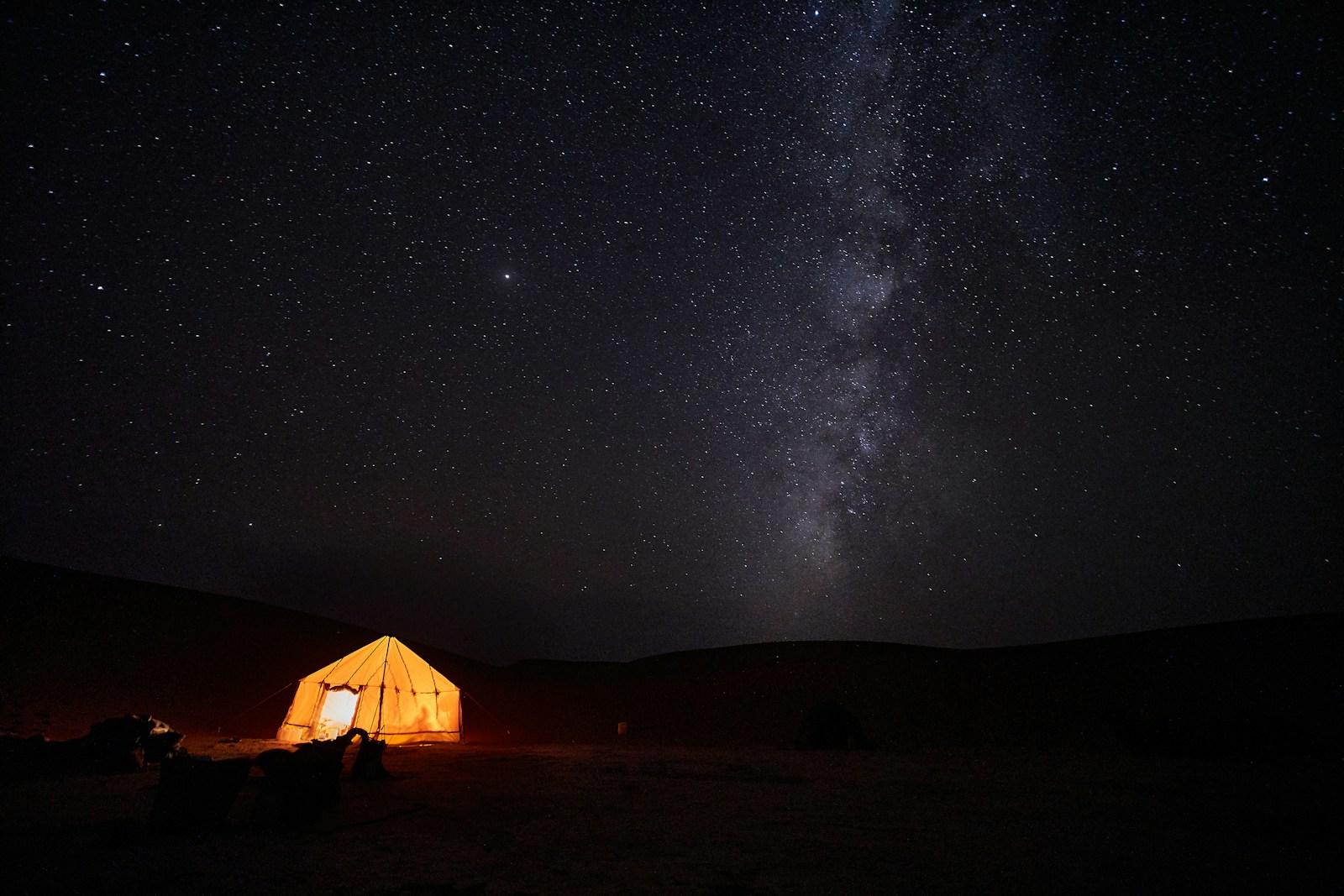
Camp on it
Drive out. Set up a tent. Light a fire.
No reservations, no campground check-in, no strangers twenty feet away who've decided this is the weekend they learn guitar. You own the place. You can just show up.
For a lot of buyers, this is the whole plan. It sounds modest. It usually isn't.
Whatever the zoning allows
Every parcel has a zoning designation. Rural residential and agricultural zones are the most flexible, which covers most of what we sell. Depending on the county, that often includes:
- Camping and temporary stays
- Parking an RV or camper
- Planting a garden
- Keeping livestock, in some cases (the county will have opinions about this one)
Always verify before anything that needs approval. But rural markets tend to be more permissive than people expect. The no list is shorter than the yes list.
Build on it someday
Someday doesn't have to mean soon. Some buyers have a ten-year plan. Some of them are being optimistic about the ten years. The land doesn't mind.
It just holds its value while they figure out the timeline.
Hold it and do nothing
A house calls you at 11pm on a Tuesday. (Something about the water heater. There's always something about the water heater.) Land doesn't have your number.
It sits there quietly while everything around it gets more expensive. Rural land has appreciated steadily in most markets over the last decade. Some buyers have doubled what they paid. None of them spent a Tuesday evening talking to a plumber about it.
Pass it to someone
Land transfers cleanly. No tenants, no lease to unwind, no complicated structure to exit. A piece of ground in a rural county can sit in a family for a long time, waiting for whoever decides what to do next.
Some buyers know exactly what they want. Others are buying something for their kids to figure out. Both are fine reasons.
What you can't do yet
I'll be straight about this part, since it matters.
During the payment period on an owner-financed land contract, you hold equitable title. You can use the property, camp on it, and make improvements that don't need permits. Anything requiring county sign-off (structures, utility hookups, permitted work of any kind) isn't available until the deed transfers to you.
That's not a catch. That's just how land contracts work.
Once it's paid off, it's fully yours. Build what you want, permit what you want.
A few buyers with solid payment history have come to us wanting to move faster. We've handled those case by case, either through an early deed transfer with a security instrument, or a performance bond before permitted work starts. It's not the standard path. But it's a conversation that can happen once trust is built.
For most people during the payment period: camp, use the land, make it feel like yours. Everything else comes when it's paid off.
Right now
Florida, New Mexico, Oregon, and Arizona. Open desert in Luna County. Pine country in Klamath County. Putnam County, Florida. Pre-market acreage in Apache County, Arizona that hasn't listed yet.
Down payments start in the hundreds. Monthly payments sized to real budgets. No bank, no credit check, no committee deciding whether you qualify.
Probably more than you thought.
Looking for land with owner financing?
We carry properties in Florida, New Mexico, Oregon, and Arizona with simple terms and no credit check.
Browse available land →Photo by Wolfgang Hasselmann on Unsplash